Bee, Western Sublimation Embroidery Review
As a designer who spends half my life troubleshooting thread tension and the other half trying to make handmade goods look professional enough for boutique shelves, I don’t just buy embroidery designs—I evaluate them. I look at how they translate from screen to fabric, how they hold up under a needle, and whether they actually add value to a finished product. Today, I’m putting Bee, Western Sublimation through that same rigorous mental checklist. This isn’t just about looking pretty; it’s about functionality in a real-world craft business or personal project.
The product is listed under Print Templates and Graphics, specifically as a PNG file with a transparent background at 300dpi. It is explicitly noted as not an SVG file. For those of us used to vector-based editing, this distinction matters. We are dealing with a finished raster image intended for direct application, likely via sublimation printing or as a high-resolution visual guide for cutting applique materials rather than a stitch file itself. However, the principles of design, composition, and marketability remain exactly the same. Let’s break down why this specific asset might be the missing piece in your current lineup of design assets.
First Impressions: Mood and Visual Personality
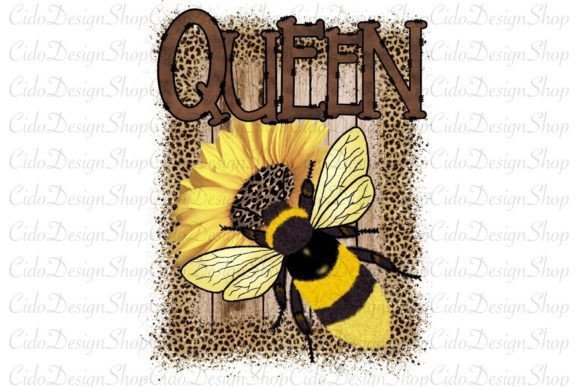
When you first load Bee, Western Sublimation onto your workspace, the immediate takeaway is its thematic cohesion. The "Western" aspect suggests ruggedness, heritage, and perhaps a touch of rustic charm, while the "Bee" element adds a layer of industry, sweetness, and community. Visually, this creates a balanced tension between strong lines and organic shapes. In my experience, designs that balance these two extremes tend to perform best on apparel because they read clearly from a distance but offer enough detail to keep the eye engaged up close.
The layout feels intentional. It doesn’t scream for attention with chaotic energy; instead, it offers a confident, grounded presence. This makes it an excellent candidate for custom apparel where you want the garment to feel curated rather than mass-produced. Whether you are designing for a local craft fair or an online Etsy seller shop, this design has the kind of timeless appeal that doesn’t rely on fleeting trends. It feels like something a customer would wear repeatedly, which is the holy grail for any small shop product.
Real-World Application: From Screen to Stitch
Let’s talk about how this translates to actual production. Imagine you are preparing a custom order for a client who wants a personalized gift for their partner who loves gardening and vintage aesthetics. You pull up Bee, Western Sublimation. Because it is a PNG with a transparent background, you can easily place it over various mockups without worrying about clipping paths or messy white boxes interfering with your preview.
This design shines when applied to textured fabrics. Think heavy canvas tote bag design options, thick cotton sweatshirts, or even denim jackets. The western theme pairs naturally with these rugged materials. If you are using this as a guide for an applique design, the clear separation of elements allows for precise cutting. You could use a contrasting thread color for the satin stitch outlines to make the bee pop against a dark fabric background, creating a striking visual contrast that elevates the perceived value of the handmade product.
For digital product sellers, this graphic is incredibly versatile. You can use it to create printable mockups for clients who are ordering custom gifts. The 300dpi resolution ensures that when you zoom in on your digital previews, the edges remain crisp. This clarity builds customer trust; buyers need to see that what they are purchasing will look sharp in reality. A blurry or pixelated preview often leads to hesitation, whereas a clean, high-quality asset like this one encourages conversion.
Strategic Use Cases and Product Fit
Not every design fits every surface, and knowing where Bee, Western Sublimation belongs is key to maximizing its potential. Here is where I see this design excelling:
- Holiday Embroidery & Gifts: The bee motif is universally liked, and the western twist gives it a unique spin for Christmas or birthday gifts. It works beautifully on kitchen towels, aprons, and pillow covers, making it a perfect personalized gift option.
- Baby Embroidery: While the western theme is bold, bees are soft and friendly. On light-colored baby clothes or muslin blankets, this design can be scaled down to create a sweet, nursery-appropriate accent. Just ensure the scale is appropriate so it doesn’t overwhelm the delicate fabric.
- Craft Business Merchandise: If you run a small business, consistency is brand identity. Using a cohesive set of graphics like this helps establish a recognizable style across your commercial embroidery items, from caps to tote bags.
- Apparel Decorators: For sweatshirt embroidery or t-shirt designs, the central placement of this graphic allows it to serve as a focal point. It draws the eye to the chest area, which is a classic and flattering placement for most body types.
Where to Exercise Caution
No design is without its limitations. As an experienced reviewer, I have to point out where Bee, Western Sublimation might require extra care. Because it is a raster PNG and not a vector, scaling it down too much can result in a loss of detail. Avoid placing this on very small hoop sizes or tiny patches where the intricate parts of the western pattern might blur together.
Additionally, consider the fabric texture. On highly textured fabrics like bouclé or rough burlap, the fine details of the design may get lost. Similarly, on stretchy fabrics like spandex blends, ensure you are using the proper stabilizer to prevent distortion. If you are working with dark fabric, remember that the transparent background means you will need to decide if you want a solid backing color or if the transparency will show the fabric underneath. Test your thread colors carefully to ensure sufficient contrast.
Another critical note: since this is a digital embroidery file format (PNG) and not a native machine-readable format (like PES or DST), you cannot simply load it into your embroidery machine. You must use it as a visual template for free-motion embroidery, applique cutting, or sublimation printing. Always confirm the licensing terms before selling finished items. If you plan to use this for commercial embroidery projects, ensure you have the right to sell physical goods made with this design.
Practical Designer Notes for Success
To get the most out of this asset, follow these practical steps before committing to a full production run:
- Test on Scrap Fabric: Never assume how a design will look until it is on the actual material. Cut a small section of your chosen fabric and test the placement.
- Check Stitch Density: If you are manually embroidering this, pay attention to the density. Too many stitches in one area can cause puckering, especially on lightweight fabrics.
- Review in Black and White: Convert your mockup to grayscale to check for contrast issues. If the design disappears in black and white, it might lack the necessary visual weight for certain color combinations.
- Inspect Small Details: Zoom in on the PNG. Are the wings of the bee distinct? Are the western accents clear? If details are muddy, you may need to simplify the design for smaller products.
- Confirm Licensing: Before listing any finished product on Etsy or your own website, double-check the commercial use rights. This protects your business and ensures ethical practices.
In conclusion, Bee, Western Sublimation is a strong, versatile asset for any designer looking to add a touch of rustic charm to their collection. It is well-composed, visually appealing, and adaptable to a wide range of products. By understanding its strengths and respecting its limitations, you can turn this simple PNG into a standout feature on your next embroidery project. Whether you are a seasoned pro or a hobbyist maker, this design has the potential to elevate your work and delight your customers.