HOT LITTLE WESTERN Embroidery Review
When I pull a new design file into my hoop, I am not just looking at pixels on a screen. I am visualizing the needle strike, the thread tension, and how that final stitched piece will sit on a customer’s chest or shoulder. As a designer who reviews these assets for both personal craft projects and commercial small business inventory, I have learned to look past the flashy preview image. I need to know if it holds up in reality.
This is where HOT LITTLE WESTERN comes in. It arrives as part of a comprehensive digital package, offering an SVG, EPS, PNG, DXF, AI, and JPEG file all bundled in one zip folder. While the listing categorizes this under T-Shirt Designs and Graphics, my focus today is strictly on its viability as a machine embroidery design. Can this word-by-layer concept translate into a high-quality embroidered patch, tote bag design, or sweatshirt embroidery that actually sells? Let’s break down the practical application.
First Impressions: Mood and Visual Personality
The name itself carries a specific energy. "HOT LITTLE WESTERN" suggests a blend of retro Americana, playful attitude, and perhaps a touch of vintage saloon or rodeo flair. In the world of handmade product creation, mood is everything. A design needs to evoke a feeling before the buyer even touches the fabric.
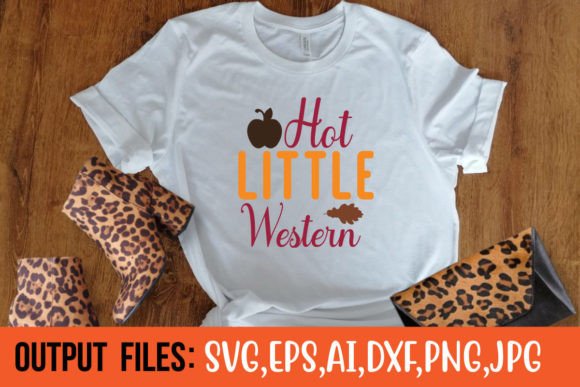
Visually, this design feels bold. The typography appears to be the hero here, which is crucial for text-based embroidery files. Text designs are notoriously difficult because they rely entirely on legibility and clean lines. If the letters are too thin or the spacing is off, the stitching becomes muddy. From what I can see in the preview assets, the layout has enough weight to stand out but retains a whimsical charm that appeals to modern crafters. It does not feel like a generic clip-art font; it has character. This personality makes it an excellent candidate for personalized gifts where the recipient might appreciate a bit of humor or nostalgia.
Real-World Application: Where Does This Fit?
I spent some time mentally mapping out where HOT LITTLE WESTERN would thrive in a real shop environment. Because it is a text-heavy graphic, it translates beautifully to apparel and accessories. Here is how I see it performing in specific scenarios:
- Custom Apparel and Sweatshirts: This design would look fantastic centered on the back of a heavyweight cotton sweatshirt. The phrase is long enough to create a strong horizontal statement without being overwhelming. For a boutique branding effort, placing this on a neutral-colored tee creates a classic, timeless look that appeals to a broad demographic.
- Tote Bag Design: Canvas totes are a staple for Etsy sellers and craft fair vendors. Using this as a large front-center print on a sturdy canvas tote adds a fun, conversational element. It turns a simple utility item into a fashion accessory.
- Baby Embroidery and Nursery Decor: Surprisingly, the "Little Western" aspect works well for nursery themes. Imagine this stitched onto a denim overall set or a muslin swaddle blanket. The contrast of tough western imagery with soft baby items is a popular trend in handmade baby clothes. It adds a unique twist to standard floral or animal motifs.
- Embroidered Patch and Caps: If you plan to digitize this for a cap, the curved surface of a hat requires careful attention to letter alignment. However, if used as an embroidered patch to be sewn onto a denim jacket or a backpack, this design shines. Patches allow for a border (likely a satin stitch outline) that frames the text neatly, making it look professional and finished.
- Kitchen and Home Goods: Do not overlook kitchen towels or aprons. A chef or home baker might love this quirky phrase on their apron. It breaks the monotony of typical "Kiss the Cook" designs and offers something more stylized for the modern kitchen towel collection.
Technical Considerations and Stitch Quality
As an experienced reviewer, I must address the technical side. You mentioned the download includes high-quality 300 Dpi files and vector formats like SVG and AI. These are essential for creating clean digitization maps, but the final result depends on your stitching choices.
When working with text designs like HOT LITTLE WESTERN, stitch density is your best friend and your worst enemy. If the density is too low, the fabric shows through, and the text looks weak. If it is too high, the fabric pucks and distorts, especially on lightweight materials. I recommend testing the fill stitch settings carefully. For the outlines, a tight satin stitch will give those letters a crisp, polished edge that elevates the perceived value of the finished product.
Another critical factor is thread colors. The design's impact relies heavily on contrast. On dark fabric, you will need a light underlay or a contrasting top thread to ensure readability. On light fabric, darker threads provide that sharp definition needed for small details. Always check your stabilizer choice; for stretchy fabrics like t-shirt material, a cut-away stabilizer is non-negotiable to prevent the design from shifting during washing.
Where to Use With Caution
While this design is versatile, there are places where it might struggle. Avoid using this on very small hoop sizes unless the text is simplified. Tiny lettering loses detail quickly in embroidery, turning into a blur of color rather than readable words. Similarly, textured fabrics like bouclé wool or heavy chenille can hide the fine details of the typography. In these cases, the design may look muddled rather than sharp.
Also, consider the durability of the embroidery project. If this is going on a garment that will undergo frequent industrial washing, ensure the stitches are anchored properly. Loose ends or inadequate backstitching can lead to unraveling over time, which damages the reputation of any craft business.
Design Assets and Commercial Value
For the Etsy seller or small shop product owner, the inclusion of multiple file formats is a significant advantage. Having the AI and SVG files allows you to adjust the layout slightly if needed—for instance, adding a decorative element around the text or changing the kerning to fit a specific garment size. This flexibility is key to maintaining brand consistency across different products.
The visual appeal of HOT LITTLE WESTERN directly affects customer trust. A well-executed embroidery project signals quality. When a buyer sees clean lines, consistent tension, and thoughtful placement, they assume the entire brand operates with that level of care. This design, when executed correctly, supports that narrative. It looks intentional and professional, not rushed or amateurish.
Furthermore, the "Western" theme taps into a perennial market segment. Whether it is for a holiday gift season push or a summer festival collection, this design has seasonal flexibility. It can be adapted for Christmas with red and green threads or for summer with pastel hues, making it a valuable design asset for year-round sales.
Final Verdict and Practical Advice
In conclusion, HOT LITTLE WESTERN is a strong contender for designers looking to expand their catalog of text-based embroidery files. It strikes a good balance between readability and stylistic flair. It is suitable for a wide range of applications, from custom apparel to personalized gifts, and its versatility makes it a smart investment for any commercial embroidery setup.
However, success lies in the execution. Before committing to a bulk run for a craft business, I strongly advise you to test the design on scrap fabric first. Check the hoop size constraints, inspect the small details for clarity, and compare it against both light and dark fabric backgrounds. Use proper stabilizers and verify that your machine embroidery design settings match the fabric type. By taking these practical steps, you ensure that the final product reflects the high quality implied by the design itself.
If you are ready to add a touch of playful ruggedness to your next collection, this file delivers the visual punch needed to engage buyers and drive sales. Just remember: the file gets you started, but your craftsmanship finishes the job.