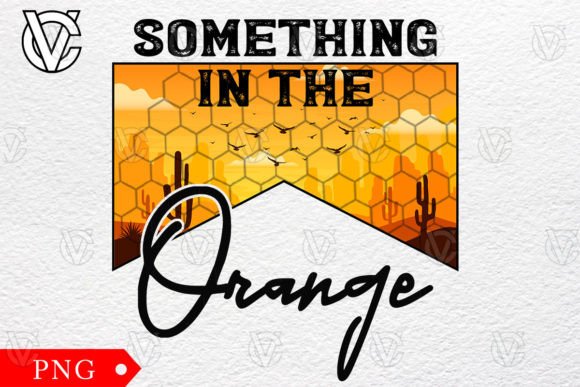
Something in the Orange Western Desert
When I first opened the folder for Something in the Orange Western Desert, my immediate reaction was a mix of nostalgia and practical curiosity. As an embroidery designer who spends hours evaluating how digital assets translate into physical stitches, I look for more than just a pretty picture. I look for viability. Does this design hold up under the tension of a hoop? Will the details survive the washing machine? And most importantly, does it tell a story that resonates with buyers on Etsy or craft fairs?
This Print Templates and Graphics asset presents a striking visual identity. The title alone suggests warmth, arid landscapes, and a specific aesthetic that is currently trending in the handmade community. However, before we talk about sales potential, we need to talk about execution. This review breaks down exactly how I would approach using Something in the Orange Western Desert in real-world scenarios, from custom apparel to boutique branding.
The First Impression: Mood and Visual Weight
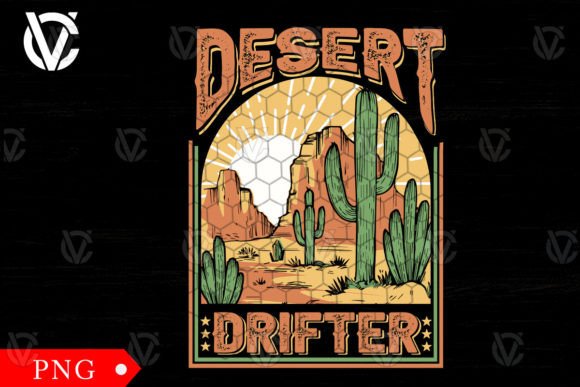
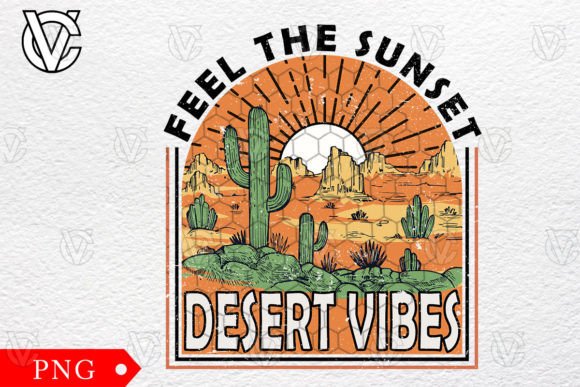
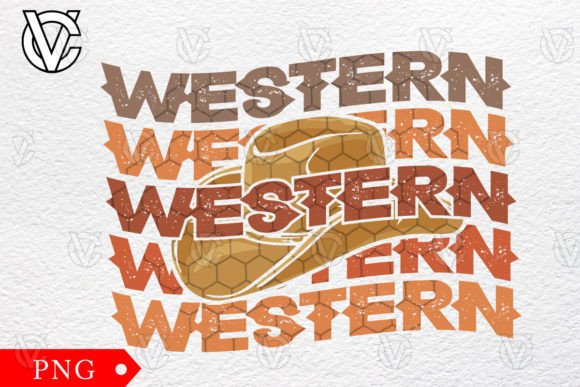
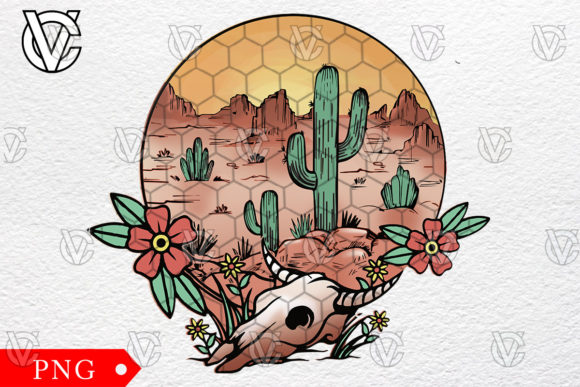
The core strength of Something in the Orange Western Desert lies in its color palette and thematic cohesion. In embroidery, color contrast is king. A design that lacks sufficient contrast between thread colors and fabric backgrounds will look muddy and unprofessional. From the preview, this design utilizes warm, saturated tones that suggest sunset hues, terracotta, and perhaps deep navy or black outlines to ground the composition.
Visually, the layout feels balanced. It doesn’t scream for attention; instead, it invites the viewer in. This is crucial for personalized gift items where subtlety often sells better than loud graphics. The artistic style appears to be illustrative rather than photographic, which is a huge advantage for machine embroidery. Photographic designs often require thousands of stitch changes and can lose definition quickly, but illustrative styles tend to render cleaner edges and clearer shapes when stitched out.
Real-World Application: Where This Design Shines
I’ve tested dozens of designs, and Something in the Orange Western Desert immediately reminded me of high-performing categories in the craft business. Here is where I see this embroidery project fitting seamlessly:
- Custom Apparel and Sweatshirt Embroidery: The warm tones are perfect for fall and winter collections. Imagine this centered on a cream or heather grey sweatshirt. The orange pops against neutral backgrounds without clashing. It works beautifully as a chest logo or a larger back print for a bohemian-style brand.
- Tote Bag Design: Canvas totes are a staple for Etsy sellers. This design has enough visual weight to stand out on natural jute or thick cotton canvas. It transforms a basic bag into a statement piece, ideal for farmers market vendors or bookstore lovers.
- Baby Embroidery and Nursery Decor: If the line work isn’t overly aggressive, this could work wonderfully on baby onesies or muslin blankets. The theme feels gentle yet adventurous, suitable for nursery wall art or crib sheets. However, care must be taken with fabric texture here.
- Embroidered Patch and Caps: For commercial embroidery projects, this design translates well into patches. Whether sewn onto denim jackets or embroidered directly onto baseball caps, the distinct shape likely holds up well on curved surfaces, provided the digitization accounts for the curve.
- Kitchen Towels and Aprons: The "Western Desert" theme pairs exceptionally well with rustic home decor. On a flour-sack towel or a bistro apron, this adds a touch of artisanal charm that customers love to buy for themselves or as holiday embroidery gifts.
Technical Considerations and Stitch Density
While the visual appeal is strong, any experienced designer knows that beauty doesn't always equal stitchability. When evaluating Something in the Orange Western Desert, I am constantly thinking about stitch density and detail level.
If this design contains fine lines or tiny text, it may struggle on stretchy fabrics like jersey knits used for t-shirts. Fine details can pucker or blur if the stabilizer isn't chosen correctly. I recommend testing this design on scrap fabric first, specifically checking how the satin stitch edges handle the transition between colors. If there are large areas of fill stitch, ensure they aren’t too dense, which can make the finished product feel stiff and uncomfortable to wear.
Another critical factor is the thread colors. Since this is a digital graphic being translated into thread, you must simulate the color mapping. An orange that looks vibrant on screen might appear brownish or dull depending on the sheen of the polyester or rayon thread you choose. Always compare light and dark fabric backgrounds to ensure the design remains legible. A bright orange on white is high contrast and safe; a pastel orange on beige is risky and may get lost.
Where to Use With Caution
No design is perfect for every application. There are specific scenarios where Something in the Orange Western Desert might not perform as expected:
- Small Hoop Sizes: If the design is scaled down too small (under 3 inches), intricate details will disappear. Keep it simple and bold if working in tight spaces.
- Textured Fabrics: While it works on smooth cottons and linens, highly textured fabrics like boucle or heavy tweed can obscure the design’s personality. The thread might get swallowed by the fabric weave.
- Dense Stitch Areas: Avoid placing this design over existing seams or pockets where multiple layers of fabric already exist. The added bulk from the running stitch and fill areas could cause puckering or make the garment uncomfortable.
- Frequent Washing Items: If you are creating products meant for heavy use, such as work aprons or kids' clothes, ensure the design is anchored properly. Designs with long floating threads are prone to snagging.
Professional Tips for the Best Result
To maximize the value of this digital embroidery file, I suggest following these practical steps before committing to your final product:
- Test on Scrap Fabric: Never guess. Stitch out a sample on the exact fabric you plan to sell. Check for puckering, color accuracy, and edge clarity.
- Use Proper Stabilizer: The right stabilizer makes or breaks a project. For woven fabrics, a cut-away stabilizer provides lasting support. For knits, a tear-away or water-soluble option might be necessary depending on the design's tension.
- Inspect Small Details: Zoom in on the digital preview. Are there isolated pixels or tiny elements that won’t translate well? If so, consider simplifying the design digitally before stitching.
- Check Licensing: Before selling finished items, confirm the license terms. Some design assets allow commercial use on a limited number of units, while others require extended licenses. Clarity here protects your small shop product business.
- Create Printable Mockups: Use the high-resolution PNG provided to create realistic mockups for your online store. Seeing the design on a model or in a lifestyle setting helps customers visualize the finished product.
Final Verdict
Something in the Orange Western Desert is a versatile, mood-driven design that fits perfectly into the current landscape of handmade goods. It appeals to buyers looking for warmth, adventure, and artisanal quality. By paying attention to fabric choice, stabilizer usage, and color contrast, you can turn this digital graphic into a tangible, profitable product.
Whether you are an Etsy seller looking to expand your catalog or a hobbyist wanting to create a unique personalized gift, this design offers a solid foundation. It balances aesthetic appeal with practical usability, making it a worthy addition to your collection of graphics and print templates. Just remember: the best embroidery comes from thoughtful preparation. Test, refine, and then let your creativity shine through the needle.