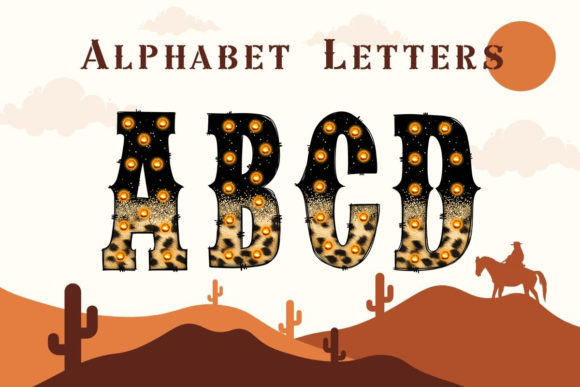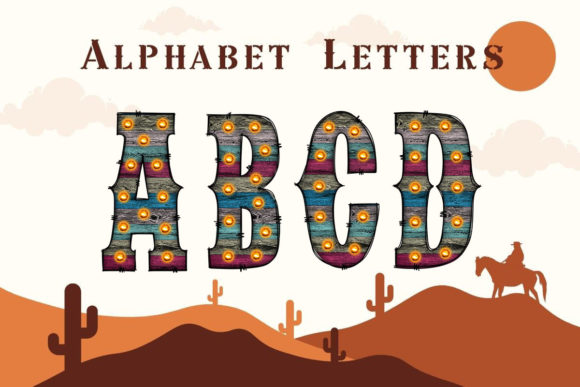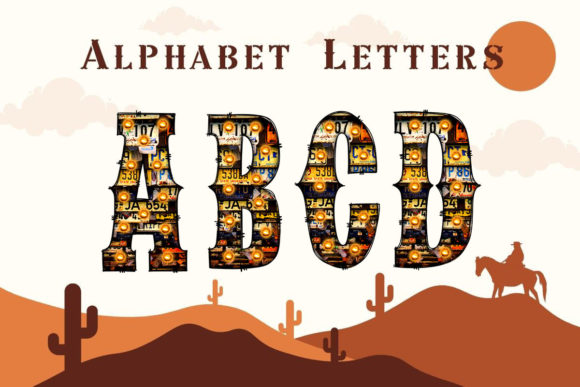
Western Alphabet Doodle License Plates
When I am scouting for a new digital asset to integrate into my embroidery workflow, I am rarely looking for just "pretty." I am looking for viability. As a designer who spends hours judging stitch density and fabric compatibility, my first instinct is skepticism. Can this actually be stitched? Will it hold up after ten washes? Does it look professional on a finished product, or does it look like a rushed hobbyist project?
This is where Western Alphabet Doodle License Plates caught my attention. It falls under the broad categories of Illustrations and Graphics, but its potential lies in how it translates from a 2D PNG file into a tactile, stitched reality. Below is my honest evaluation of this design as if I were preparing it for a real client order.
The First Impression: Mood and Visual Personality
The moment you open the file, the vibe is distinct. It is not stiff, corporate, or overly ornate. The "doodle" aspect suggests a hand-drawn, playful energy that feels approachable and fun. The Western theme adds a layer of rustic charm without leaning too heavily into cliché cowboy imagery. It strikes a balance between rugged and whimsical.
For an embroidery designer, this visual personality is gold. It suggests versatility. This design does not scream "formal wear"; it whispers "casual cool." It feels right at home on a denim jacket, a canvas tote, or a nursery wall hanging. The layout of the license plate shape provides a natural frame, which helps contain the stitching area and gives the eye a clear focal point. This containment is crucial for maintaining clarity in smaller hoop sizes.
Real-World Application: Where Does It Fit?
I recently imagined using Western Alphabet Doodle License Plates for a custom boutique order. The client wanted personalized baby gifts for a gender-neutral shower. My initial thought was to use it for embroidered onesies, but upon closer inspection, I realized the scale might be tricky. Instead, I pivoted to a different application that felt much more organic: a set of personalized kitchen towels and a matching apron for the parents-to-be.
Here is why that shift made sense:
- Fabric Texture: Kitchen towels are usually cotton or linen blends with a stable weave. They handle fill stitch beautifully without pilling or distorting.
- Visibility: On a towel, the design can be larger. The doodle details remain crisp because there is no stretching involved, unlike on a cap or a fitted t-shirt.
- Personalization: The alphabet component allows for easy customization. Swapping out letters to match initials is straightforward, making it a high-value item for an Etsy seller.
This same logic applies to other handmade products. Imagine this design centered on the chest of a heavyweight sweatshirt. The contrast between the rough texture of the fleece and the smooth threads of the embroidery creates a premium feel. It transforms a basic garment into a statement piece. For an Etsy seller, this is a low-risk, high-reward item because the base product is inexpensive, but the added value of the custom embroidery justifies a higher price point.
Technical Considerations for Embroidery Designers
While the aesthetic is strong, the technical execution is where many designs fail. When I evaluate a machine embroidery design, I am constantly asking: "How will the machine handle this?"
First, consider the stitch density. Doodle styles often rely on thin lines and irregular shapes. If the running stitch is too dense, the fabric will pucker. If it is too sparse, the design will look threadbare and cheap. You must check the digitizing to ensure that the negative space is utilized effectively. A good embroidery file should have balanced coverage.
Second, think about thread colors. The original PNG likely has specific colorways. However, when translating to thread, you need to test contrast. On dark fabrics, light-colored doodles might get lost unless you use a stabilizer or a contrasting backing. On light fabrics, dark outlines provide definition. Always test your thread colors on scrap fabric before committing to the final piece.
Third, inspect the small details. License plates often have tiny text or registration stickers. In a doodle style, these might be simplified, but if they are too small, they will disappear during stitching. I recommend zooming in on the vector or high-res preview. If the detail is smaller than a grain of rice, it is likely too small for most consumer machines unless you are using a very fine needle and high-quality thread.
Where to Use It Carefully
Not every surface is created equal. While Western Alphabet Doodle License Plates is versatile, there are scenarios where you should proceed with caution:
- Small Hoop Sizes: If you are trying to fit this into a 4x4 inch hoop, the details may become muddy. Ensure your hoop size allows enough room for the design to breathe.
- Stretchy Fabrics: Avoid placing this on thin, stretchy jersey knits without proper stabilization. The weight of the fill stitch can cause the fabric to sag over time.
- Curved Surfaces: Applying this to caps or hats requires careful positioning. The flat shape of a license plate might look distorted if not aligned perfectly with the curve of the brim or front panel.
- Dark Fabric: If the design relies on white or light pastel threads, it may lack punch on black fabric. Consider using a lighter thread color or adding a contrasting border.
Impact on Product Value and Brand Consistency
From a business perspective, using a cohesive design language builds trust. When customers see a well-executed custom apparel item, they perceive higher quality. A sloppy stitch job screams "amateur," while a clean, intentional design signals professionalism.
Western Alphabet Doodle License Plates offers a unique brand identity. It is memorable. In a sea of generic floral or geometric patterns, a playful, themed design stands out. This uniqueness can drive engagement on social media platforms like Pinterest or Instagram, where visual appeal is key. Buyers are drawn to items that tell a story or evoke a specific mood. This design evokes freedom, travel, and individuality—themes that resonate with a wide audience.
Furthermore, for commercial embroidery projects, having a library of diverse themes allows you to cater to niche markets. Whether it is a biker club, a country music fan, or a rural school spirit group, this design can be adapted to fit their needs. The flexibility of the graphics means you can experiment with different thread types, such as metallics for accents or variegated threads for a dynamic look.
Final Verdict and Practical Tips
Overall, Western Alphabet Doodle License Plates is a solid addition to any designer’s toolkit. It is visually appealing, thematically distinct, and adaptable to various embroidery projects. However, success depends on preparation.
Before you start stitching, follow these steps:
- Test on Scrap: Always run a test stitch-out on the actual fabric you plan to use. Check for puckering, tension issues, and color accuracy.
- Check Licensing: Since this is a digital download, review the license terms carefully. Confirm whether you can sell finished products made from this design. Most commercial licenses allow this, but some restrict the number of units or require attribution.
- Use Proper Stabilizer: Depending on your fabric, you may need cut-away or tear-away stabilizer to support the stitches and prevent distortion.
- Mockup Visually: Create a printable mockup to see how the design looks in context. This helps you visualize the final product for marketing purposes.
If you are an Etsy seller or a craft business owner looking to add a touch of rustic charm to your inventory, this design is worth exploring. It bridges the gap between fun and functional, offering a product that customers will love to wear, use, and display. Just remember: the magic is in the execution. Take your time, test thoroughly, and let the quality of your work speak for itself.