Western Horseshoe Design, Cowhide Png Review
As a designer who spends half my life staring at digitized files and the other half troubleshooting stitch errors on the embroidery machine, I have learned to trust my gut before I ever thread the needle. When Western Horseshoe Design, Cowhide Png landed in my inbox, I didn’t just look at the preview image; I visualized it stitched out. The goal was simple: determine if this graphic has enough substance to stand alone as a premium product or if it needs heavy lifting to work effectively in a commercial setting.
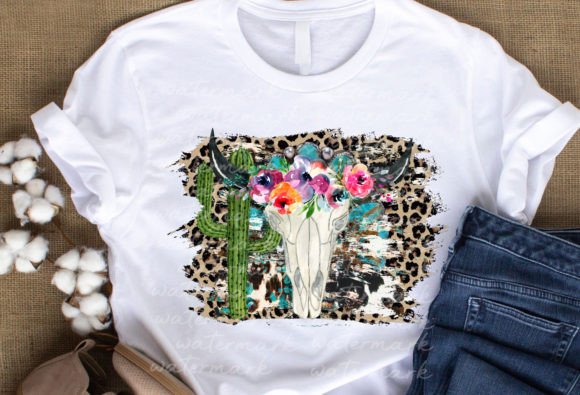
The description highlights a complex composition featuring a horseshoe, floral elements, a bull skull, gemstones, and a serape background. For an embroiderer, that is a lot of information to convey through thread. My initial reaction is one of cautious optimism. This isn’t a minimalist logo that screams "clean lines." It is a bold, statement piece that demands attention. If you are looking for subtle elegance, this might not be your first choice. But if you are aiming for high-impact western wear, custom gifts, or boutique merchandise, this design has serious potential.
First Impressions and Visual Personality
The moment you see the layout, the western theme is undeniable. The combination of the horseshoe and the bull skull creates a rugged aesthetic, while the addition of florals and gemstones softens the edges, adding a touch of femininity and luxury. This duality is exactly what makes modern western designs successful today. It appeals to the customer who wants something tough but doesn’t want to sacrifice style.
The cowhide background element is particularly interesting. In a digital file, it provides texture and depth. However, when translated into an embroidery project, it becomes a challenge. Will it read clearly? Or will it become a muddy mess of conflicting textures? From a design perspective, the contrast between the organic shapes of the flowers and the geometric rigidity of the horseshoe works well. It gives the eye places to rest while still guiding the viewer through the entire composition. It feels balanced, not cluttered, which is a rare win for busy designs.
Real-World Application: The Tote Bag Test
To truly evaluate this design, I imagine applying it to a real-world scenario. Let’s say I am preparing a custom embroidered tote bag for a local craft fair or an Etsy shop targeting western-themed decor enthusiasts. A canvas tote is the perfect substrate for this kind of artwork because it offers a large, flat surface area.
When I visualize the Western Horseshoe Design, Cowhide Png centered on a natural canvas tote, the serape background colors would pop against the neutral fabric. The size would allow the gemstone details to shine without getting lost. Customers walking by the booth would likely stop because the design is colorful and intricate. It signals effort and quality. Unlike a simple single-word monogram, this design tells a story. It suggests that the product inside the bag is curated and special. For a small business owner, that storytelling aspect is crucial for justifying a higher price point.
This same logic applies to sweatshirt embroidery. A heavyweight cotton blend hoodie with this design across the chest or on the back would feel like a high-end streetwear item. The durability of the stitching would hold up to wear, and the western motif fits perfectly with current fashion trends that blend rustic charm with modern comfort. It transforms a basic garment into a personalized gift or a standout piece of custom apparel.
Where Caution Is Required
However, not every application is suitable. There are specific scenarios where this design could fail if you don’t plan carefully. First, consider small hoop sizes. If you attempt to digitize or use this full composition on a tiny patch or a baby onesie, you will lose the detail. The gemstones and floral petals are fine elements; shrink them down too much, and they disappear. Stick to larger formats like aprons, pillow covers, or standard t-shirt designs where the scale can breathe.
Fabric texture is another critical factor. The cowhide background in the PNG implies a rough texture. If you stitch this directly onto a highly textured fabric like a thick boucle wool or a very loose weave linen, the stitches may not anchor properly, or the underlying texture might interfere with the clarity of the design. Thin or stretchy fabrics also pose risks. Without proper stabilizer support, the density required for the fill stitches could cause puckering. Always test on scrap fabric first to ensure the fabric handles the tension of the threads.
Dark fabrics present a unique challenge. While dark backgrounds can make bright thread colors pop, they can also hide lighter details like the gemstone highlights or the inner curves of the horseshoe. You may need to adjust your thread colors or add a light underlay to ensure those details remain visible. Curved surfaces, such as caps or hats, require careful hooping. If the design is too wide or rigid, it may not lay flat on the curve of a hat brim, leading to distortion.
Stitch Density and Technical Considerations
From a technical standpoint, the inclusion of multiple elements means you need to pay close attention to stitch density. A design with so many components—skull, flowers, gems, background—can easily become too dense. Excessive density leads to stiff finished products that feel uncomfortable to wear and are prone to thread breaks. When reviewing the file, I would check if the fill stitches are optimized for smoothness rather than just coverage.
If this is intended as an applique design, the layers need to be precise. The cowhide background might serve as a base layer, with the horseshoe and skull appliquéd on top. This technique can add incredible dimension but requires advanced skills to execute cleanly. Alternatively, if it is a straight stitch and satin stitch design, the outline definition must be sharp. Any jagged edges will show up immediately in the final product, affecting professional presentation and brand consistency.
I also recommend testing the design in black and white mockups. This helps verify that the value contrast is strong enough. If the design relies solely on color differences to distinguish the skull from the background, it may lack impact when viewed quickly or by customers with visual impairments. Strong values ensure readability and recognition, which are key for buyer engagement.
Practical Tips for Success
- Thread Color Contrast: Choose threads that complement the serape tones. Earthy greens, terracottas, and deep blues often work well with western palettes.
- Stabilizer Choice: Use a cut-away stabilizer for woven fabrics to prevent stretching over time, especially for items that will be washed frequently.
- Detail Inspection: Zoom in on the digital file to inspect small details. Ensure that no elements are too close together, which could cause merging during stitching.
- Licensing Check: Before selling any finished product, confirm the licensing terms. Ensure you have the right to use this digital embroidery file for commercial purposes.
In conclusion, Western Horseshoe Design, Cowhide Png is a versatile and visually striking asset for any creative entrepreneur. It shines best in medium-to-large applications where its intricate details can be appreciated. By planning your fabric choices, stabilizers, and thread colors carefully, you can turn this graphic into a best-selling handmade product. It has the personality and presence to elevate your craft business, provided you respect the technical limitations of embroidery. Treat it with care, and it will reward you with beautiful, marketable results.