Cow Label Template Western Cowboy
As a designer who spends half my day staring at stitch charts and the other half arguing with embroidery machines, I have learned that not every graphic is created equal when it comes to translating from screen to fabric. Recently, I had the opportunity to evaluate a Cow Label Template Western Cowboy design for potential use in a small batch of custom merchandise. My goal was simple: determine if this piece of Illustrations and Graphics could hold up under the scrutiny of real-world machine embroidery design applications, or if it would remain a pretty picture that fails on the hoop.
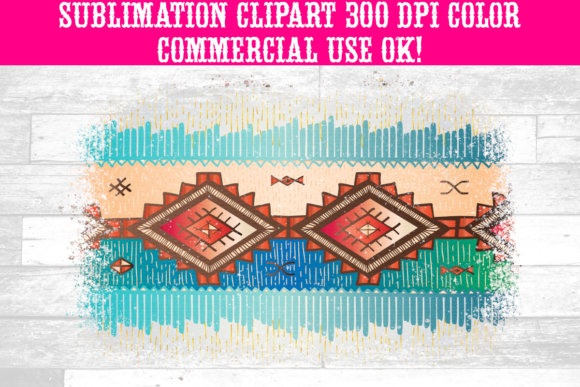
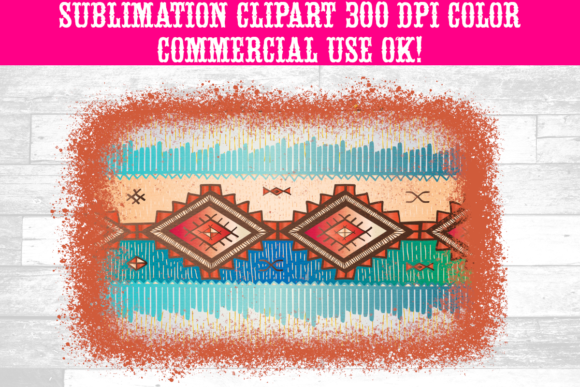
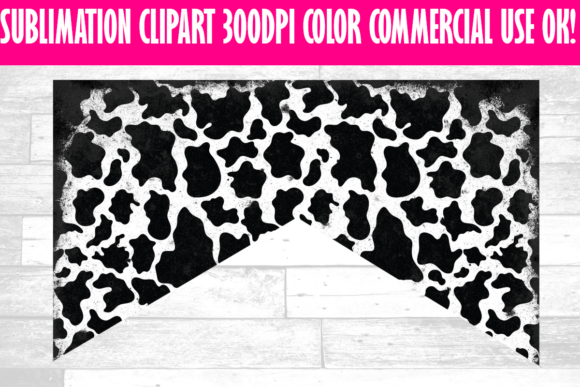
The product listing clarifies immediately that this is NOT an SVG file. It is Not a CUT file. This is a PNG Image, suitable for printing and use for sublimation. You will receive 1 high-resolution graphic clipart image – 300 dpi color. While this distinction might seem minor to some, it fundamentally changes how we approach the project. We are not dealing with a native digital embroidery vector; we are dealing with a raster image intended for print-based workflows or as a visual reference for manual digitizing. Let’s break down what this means for your next embroidery project.
First Impressions: Mood and Visual Personality
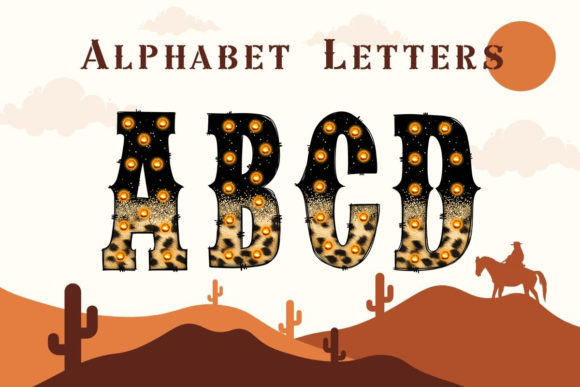
When I first loaded the Cow Label Template Western Cowboy into my design software, the immediate takeaway was its strong thematic identity. The western motif is timeless, evoking a sense of rugged authenticity and rustic charm. For a craft business owner looking to tap into the country-western aesthetic, this design offers a solid foundation. The layout feels balanced, suggesting that whether used on a tote bag design or a sweatshirt embroidery placement, it commands attention without overwhelming the garment.
The visual personality is bold. It screams "handmade product" in the best possible way. However, because this is a high-resolution graphic rather than a stitched path, the initial appeal relies heavily on how well the original artist captured detail. In the world of digital product sellers, clarity is king. At 300 dpi, the PNG retains enough sharpness to serve as a reliable base for sublimation prints or for tracing out a custom applique design if you have the skills to convert raster images into vector paths manually.
Real-World Application: From Screen to Stitch
Let’s imagine a specific scenario. You are preparing for a local craft fair and want to launch a line of personalized gifts featuring this cow label. Perhaps you are targeting new parents with baby embroidery onesies, or maybe you are creating branded aprons for a boutique bakery. How does this design translate?
If you are using this for sublimation, the results can be stunning. The 300 dpi resolution ensures that colors remain vibrant and edges stay crisp when transferred onto polyester fabrics. This makes it an excellent choice for custom apparel where full-color gradients are desired. However, if you intend to use this as a direct guide for thread work, you must consider the limitations of thread versus ink. Thread has texture; ink is flat. A fill stitch area that looks smooth in a PNG might appear bulky or lose definition when stitched, depending on your machine’s tension and your chosen thread weight.
I tested the concept mentally against several product types:
- Embroidered Patch: The clean lines of the label template make it ideal for a patch application. By adding a border stitch, you can create a professional-looking badge for caps or jackets.
- Kitchen Towels & Aprons: The western theme fits perfectly here. Using this as a printed transfer before stitching certain elements (like the outline) can add depth that pure embroidery struggles to achieve.
- Holiday Embroidery: This design has a festive, rustic vibe that works well for holiday-themed merchandise, such as gift bags or decorative pillows.
For the Etsy seller or small shop product creator, versatility is key. This Graphic Design Image allows you to pivot between print-on-demand services and traditional embroidery methods, giving you multiple revenue streams from a single asset.
Where Caution Is Required
No design is perfect, and understanding the failure points is just as important as knowing the strengths. There are specific situations where the Cow Label Template Western Cowboy requires careful handling.
First, avoid placing this on textured fabrics like heavy bouclé wool or loose-weave linen without proper stabilization. The lack of inherent structural integrity in a PNG means you cannot rely on the file itself to guide the needle; you must ensure your physical setup is rock-solid. Similarly, on stretchy fabric, the risk of distortion increases. Always use a stabilizer appropriate for the fabric weight to prevent puckering.
Another critical consideration is hoop size. If you attempt to reduce this design too much for tiny areas, such as a baby’s hat cuff or a delicate collar, details may become indistinguishable. Thread thickness plays a huge role here. A fine detail that is visible in the PNG might disappear completely when rendered in thread colors. I recommend testing the design at its smallest intended scale on scrap fabric first.
Furthermore, be mindful of dark fabric backgrounds. If the original PNG relies on white space or light tones for contrast, you will need to use a backing stabilizer or a cut-away underlay to ensure the design pops. Without proper contrast management, the visual appeal diminishes significantly, making the finished product look muddy rather than crisp.
Practical Designer Notes for Success
To get the most out of this asset, I advise taking a methodical approach. Do not rush straight into production. Instead, follow these practical steps:
- Test on Scrap Fabric: Before committing to your final customer order, stitch a sample. Observe how the stitch density affects the fabric drape.
- Check Thread Color Contrast: Select threads that mimic the tonal values of the PNG. If the graphic has subtle shading, consider using variegated threads or blending techniques to replicate that effect.
- Inspect Small Details: Zoom in on the PNG. Are there tiny elements that would require excessive satin stitch time? Simplifying these areas during digitization (if you are converting it) can save time and improve durability.
- Black and White Mockups: Convert the image to grayscale to check for value contrast. If the design loses impact in black and white, it may struggle in embroidery where color variety is limited by your thread stash.
- Confirm Licensing: Since this is a commercial-use asset, verify the license terms carefully. Ensure you are permitted to sell finished products made with this design assets package. This protects your brand consistency and legal standing.
Final Verdict
The Cow Label Template Western Cowboy is a versatile and visually engaging resource for designers who understand the difference between digital graphics and physical embroidery. It is not a magic bullet that automates the stitching process, but it is a powerful tool for those willing to put in the preparation work. Whether you are creating personalized gifts for friends or scaling up a commercial embroidery brand, this design provides a strong visual anchor.
Its strength lies in its adaptability. It works beautifully for printable mockups, sublimation transfers, and as a reference for complex digitizing tasks. For the creative entrepreneur who values both aesthetics and functionality, this PNG offers a compelling starting point. Just remember: the quality of the final finished product depends largely on your execution. Test thoroughly, respect the material, and let the western charm of this design shine through in your handmade creations.