Gigi Leopard Western Sublimation Png Review
As a designer who spends more time staring at stitch charts and fabric swatches than sleeping, I have developed a healthy skepticism toward digital assets. Too often, a graphic looks stunning on a screen but falls apart when translated into thread. That is why I approached Gigi Leopard Western Sublimation Png with a critical eye. I needed to determine if this design had the structural integrity and aesthetic appeal required for real-world embroidery projects, or if it was just another decorative clipart that would look muddy once stitched.
The premise of using a sublimation PNG as a guide for embroidery is interesting. It suggests a high level of detail, likely mimicking the fluid gradients of a print rather than the blocky nature of traditional vector shapes. For my review, I visualized this asset being used in a boutique setting—specifically for custom apparel and personalized gifts where visual impact is paramount. The goal here is not just to describe what the file contains, but to evaluate how it functions as a machine embroidery design concept.
First Impressions: Mood and Visual Personality
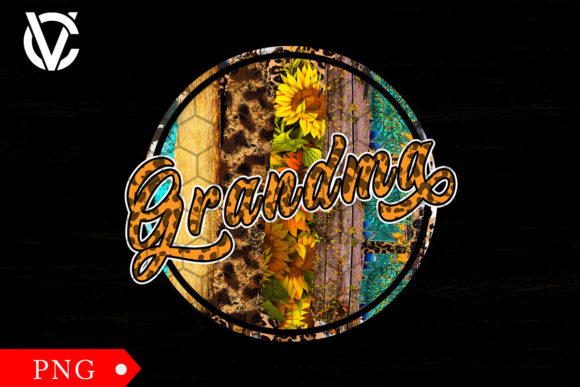
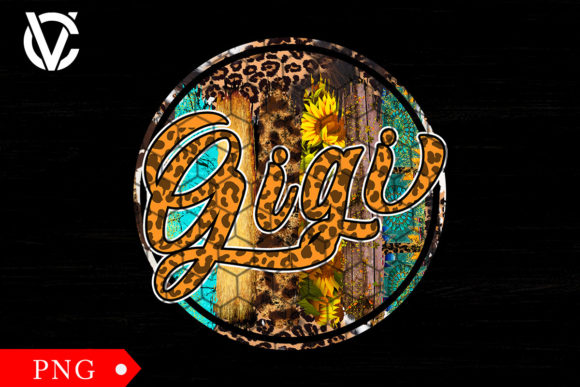
The moment you load Gigi Leopard Western Sublimation Png, the mood is established immediately. It carries a distinct western flair combined with the bold, organic patterns of leopard print. This juxtaposition creates a vibe that is both rugged and fashionable. It feels confident, slightly edgy, and undeniably trendy. For an embroidery project targeting a specific demographic—perhaps someone looking for a unique statement piece—this design hits the right emotional notes.
From a layout perspective, the 4500×5400 pixel resolution provides ample canvas for intricate detailing. In the world of graphics and Print Templates, this aspect ratio allows for vertical compositions that work beautifully on garments like longline tees or tall tote bags. The transparency of the PNG background is crucial; it allows me to visualize the design floating over various fabric textures without visual clutter. It feels substantial, not lightweight. This is not a subtle accent; it is a focal point.
Real-World Application: Where This Design Shines
To truly test the viability of Gigi Leopard Western Sublimation Png, I imagined applying it to several common small business merchandise items. Here is how I see it performing in practical scenarios:
- Custom Apparel and Sweatshirts: The western theme pairs naturally with denim jackets, flannel shirts, or heavyweight sweatshirts. If digitized correctly, the leopard pattern can serve as a striking chest logo or a large back print. The boldness of the design ensures it stands out against textured fabrics like heather grey or black cotton blends.
- Tote Bag Design: Canvas totes are a staple for craft fairs and Etsy sellers. A large-scale leopard western graphic adds immediate value to a plain bag. It transforms a utilitarian item into a fashion accessory. The high resolution ensures that even when scaled down to fit a standard tote panel, the details remain crisp.
- Baby Embroidery and Nursery Decor: While leopard print is often associated with wild themes, a softer color palette interpretation could work well for nursery pillows or baby blankets. However, the western element might skew this towards a more mature aesthetic, so careful color selection is key for this category.
- Embroidered Patch: The strong outline potential of this design makes it an excellent candidate for an embroidered patch. Whether applied to a backpack, a cap, or a denim vest, it serves as a badge of style. The clear separation between elements helps in defining the patch boundaries during the digitizing process.
For the Etsy seller or craft business owner, versatility is money. This design bridges the gap between rustic western wear and modern animal print trends, allowing you to tap into two different customer bases with one asset.
Technical Considerations and Stitching Challenges
This is where the rubber meets the road. Translating a sublimation-style PNG into an embroidery file requires careful planning. Unlike simple logos, complex patterns like leopard spots involve significant variation in shape and size. Here are the practical concerns I would address before running this through an embroidery machine:
- Stitch Density and Clarity: Leopard prints are dense. If the digitizer does not manage the stitch density properly, the fabric can pucker or become stiff. I recommend using a combination of satin stitch for outlines and varied fill stitch techniques for the spots to create depth. Running stitch might be useful for adding whisker-like details or textural accents, but too much can cause tangling.
- Fabric Texture Compatibility: This design demands a smooth surface to shine. On heavily textured fabrics like chunky knits or terry cloth, the fine details of the leopard print may get lost. It performs best on stable, woven fabrics such as cotton twill, denim, or polyester blends commonly used for custom apparel.
- Hoop Size Constraints: Given the high resolution, ensure your hoop is large enough to accommodate the full design without unnecessary trimming. If the design exceeds your machine’s hooping area, you will need to plan for repositioning, which increases the risk of misalignment. Always confirm the final stitched dimensions against your hoop size limits.
- Thread Color Contrast: Since this is a digital template, you have the freedom to choose thread colors. To maintain the "western" vibe, earth tones like rust, tan, and cream might work better than neon brights. Ensure there is sufficient contrast between the background fabric and the primary thread colors to prevent the design from blending in.
Avoiding Common Pitfalls
There are certain applications where Gigi Leopard Western Sublimation Png should be used with caution. Small hoop sizes (under 4x4 inches) may struggle to render the intricate variations of the print clearly, resulting in a muddy appearance. Similarly, applying this to stretchy fabrics like spandex blends without proper stabilizer support can lead to distortion. The design has a strong visual weight; placing it on curved surfaces like caps requires precise digitizing to account for the curvature, or the spots may appear warped.
Additionally, consider the end-user experience. Products featuring this design should be durable. If the finished product is subjected to frequent washing and rough handling, the complexity of the design needs to be robust enough to withstand wear. Using a high-quality stabilizer is non-negotiable here to ensure the longevity of the finished product.
Professional Judgment and Final Thoughts
After analyzing the visual potential and technical requirements, my conclusion is that Gigi Leopard Western Sublimation Png is a high-potential asset for designers willing to put in the digitizing legwork. It is not a plug-and-play solution for beginners due to its complexity, but for experienced embroiderers, it offers a unique opportunity to create premium-looking goods.
The design excels in creating a sense of professionalism and brand consistency. When executed well, it elevates a simple garment into a curated piece. For the small shop product line, it offers a distinctive look that separates your offerings from generic competitors. It appeals to customers who appreciate handmade quality and bold aesthetics.
Before incorporating this into your commercial workflow, I strongly advise testing the design on scrap fabric first. Check the thread colors against your target fabric. Inspect the small details under magnification. And most importantly, verify the licensing terms. Since this is a digital embroidery file source, ensure you have the right to sell finished items created with it. Confirm whether it is intended for personal use only or if commercial rights are included.
In summary, this is a versatile, mood-setting design that fits perfectly into the current landscape of handmade fashion. It works beautifully for holiday embroidery collections, personalized gifts, and boutique branding. If you are looking to add a touch of wild elegance to your design assets, this is a worthy addition to your library. Just remember: the success of the final piece lies in the precision of your digitizing and the quality of your materials.