Wood Png, Western Sublimation Review
As a designer who spends half my day troubleshooting tension issues and the other half brainstorming unique motifs for boutique clients, I don’t just look at an embroidery file; I look at how it will behave on fabric. When I first pulled up Wood Png, Western Sublimation, my immediate reaction was one of curiosity mixed with professional skepticism. The title suggests a specific aesthetic—rugged, natural, perhaps rustic—and as someone who frequently designs for craft fairs, Etsy shops, and personalized gift markets, I know that "Western" themes can easily tip into cliché if not handled with care. This review breaks down exactly how this design asset holds up in real-world application, from the screen to the hoop.
First Impressions and Visual Personality
The moment you load Wood Png, Western Sublimation, the mood is established. It isn’t trying to be delicate or overly ornate. Instead, it carries a grounded, earthy weight that feels appropriate for a wide range of handmade products. The visual personality leans heavily into the "Western" motif, which immediately brings to mind imagery associated with nature, craftsmanship, and perhaps a touch of vintage Americana. For designers looking to create cohesive brand identities for outdoor gear brands, cowboy-themed boutiques, or rustic wedding decor, this graphic offers a strong foundation.
Because this is provided as a PNG with a transparent background, the isolation of the subject is clean. There are no awkward white boxes or mismatched edges that require tedious cleanup before digitizing. This transparency is crucial for applique design workflows or when layering elements. If you are planning to combine this with text or other graphical assets, the clean cutout allows for seamless integration. However, keep in mind that this is a graphic asset, not a native machine embroidery file. You will need to decide how you want to translate these visual lines into stitches.
Real-World Application: From Screen to Stitch
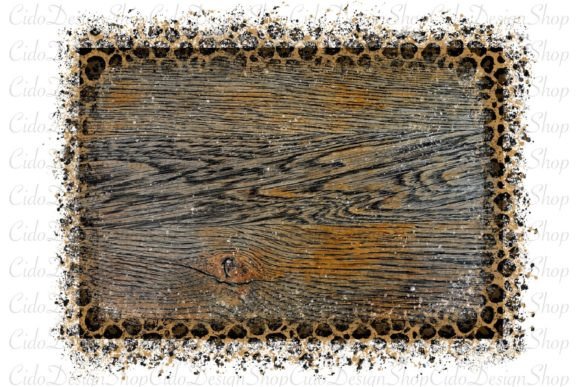
Let’s talk about where this design actually shines. Imagine you are preparing a custom embroidered tote bag for a holiday market. You want something that screams "handmade quality" without being too busy. Wood Png, Western Sublimation fits perfectly here. The bold shapes translate well to larger surface areas like canvas totes or heavy-duty aprons. The contrast between the wood grain texture (implied by the name and likely visible in the PNG) and the smooth canvas creates a tactile appeal that customers love.
Similarly, consider using this for sweatshirt embroidery. A Western theme paired with a soft fleece or cotton-blend hoodie is a classic combination. The design’s layout likely allows for a centered chest placement or a large back print. When digitized properly, the fill stitch areas would provide a nice density that stands out against the fabric texture. It works exceptionally well for baby embroidery projects too, particularly for nursery decor items like quilts or wall hangings where the Western theme might represent a "little explorer" concept.
For the digital product seller, this image serves as a powerful base. If you are creating printable mockups or design assets for other creators, having a high-resolution 300dpi PNG means your previews will look crisp. Buyers browsing Etsy listings need to see clarity. A blurry or pixelated preview kills trust instantly. By using Wood Png, Western Sublimation in your marketing materials, you signal professionalism and attention to detail.
Where to Exercise Caution
No design is perfect for every scenario, and Wood Png, Western Sublimation has its limitations. The most critical factor is scale. If you attempt to shrink this design down to fit a tiny cap logo or a small embroidered patch, you risk losing all definition. Small details in the wood grain or Western accents may merge together during the stitching process, resulting in a muddy blob rather than a sharp image. Always test the design in your intended hoop size before committing to a full production run.
Fabric choice is equally important. Textured fabrics, such as heavy tweeds or loosely woven burlap, can distort the fine lines of the design. Thin or stretchy fabrics, like jersey knits used for t-shirts, require careful stabilizer usage. Without proper support, the design may pucker or shift, ruining the stitch density balance. Dark fabrics present another challenge. If the PNG relies on light tones to define the wood texture, you may need to use a contrasting thread color or add a backing layer to ensure visibility. Conversely, on very dark backgrounds, the design might get lost if the thread colors aren't vibrant enough.
Also, be mindful of curved surfaces. While caps and hats are popular items, the flat nature of a PNG design must be carefully adapted for curvature. If the design has intricate corners or detailed lettering, these areas are prone to distortion on a curved hat brim. It is safer to use this design on flatter surfaces like pillow covers, kitchen towels, or the front panel of a structured cap.
Practical Designer Notes for Execution
To get the best results from Wood Png, Western Sublimation, follow these practical steps:
- Test on Scrap Fabric: Never go straight to the final garment. Stitch the design on a scrap piece of the same fabric type to check for puckering, thread breakage, or alignment issues.
- Check Thread Color Contrast: Since this is a PNG, you have freedom in choosing your thread colors. Ensure there is enough contrast between the thread and the fabric. For a Western theme, earthy tones like browns, tans, and deep greens often work best, but don’t be afraid to use bright accent threads for highlights.
- Review Stitch Density: When converting the graphic to an embroidery file, pay close attention to the fill stitch areas. Too much density can make the fabric stiff and uncomfortable, especially on baby clothes or wearable apparel. Adjust the underlay and top stitch settings to maintain flexibility.
- Inspect Small Details: Zoom in on the original PNG. Are there tiny lines or textures that won’t render well in thread? Simplify these areas during the digitizing process to ensure clarity.
- Black and White Mockups: Convert the design to black and white to check its silhouette. A strong shape reads well even without color detail. If the shape falls apart in monochrome, the design may lack structural integrity for embroidery.
- Confirm Licensing: Before selling finished items or using this in commercial projects, verify the license terms. Some graphics allow personal use only, while others permit commercial sale of physical goods. Clarity here protects your business.
Final Verdict on Value and Appeal
In the crowded market of craft business items, standing out requires more than just a pretty picture; it requires execution. Wood Png, Western Sublimation provides a strong starting point for designers aiming for a rustic, authentic look. Its versatility across various products—from tote bag design applications to holiday embroidery gifts—makes it a valuable asset in your library. It enhances the perceived value of your handmade product by adding a touch of curated style that resonates with buyers seeking uniqueness.
However, remember that the PNG is just the beginning. The true magic happens in how you digitize and stitch it. By respecting the limitations of the medium and testing thoroughly, you can transform this graphic into a stunning finished product that customers will cherish. Whether you are an Etsy seller looking to expand your catalog or a hobbyist making a personalized gift, this design offers a solid foundation for creativity. Just keep your eyes on the details, choose your fabrics wisely, and let the Western spirit shine through in every stitch.