Review: Lucky Png, Western Sublimation
As a designer who spends half her life staring at stitch charts and the other half worrying about whether a client’s logo will survive a wash cycle, I don’t just buy embroidery files—I interrogate them. When Lucky Png, Western Sublimation landed in my inbox, I didn’t immediately think about the technical specs. I thought about the vibe. In the crowded world of handmade goods, especially on platforms like Etsy or at local craft fairs, "vibe" is often what converts a browser into a buyer. This design carries a specific energy: rustic charm meets modern whimsy. But does it hold up when translated from a digital screen to thread and fabric? That is the real question.
First Impressions and Visual Personality
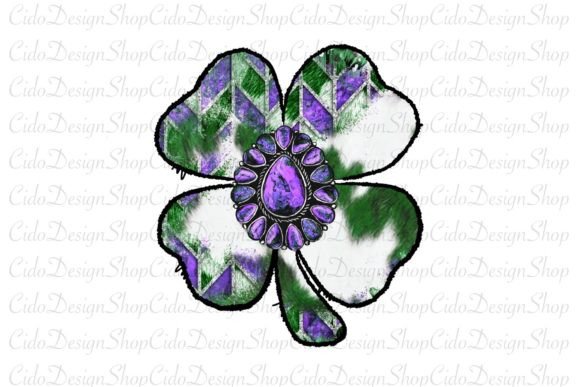
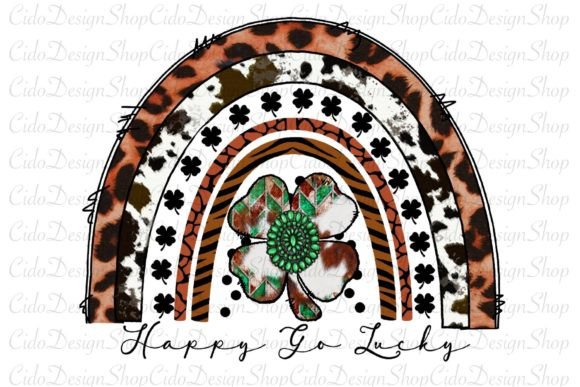
The title alone suggests a fusion of two distinct aesthetics. The "Western" element implies ruggedness, perhaps leather textures, boots, or cowboy motifs, while "Lucky" introduces a playful, superstitious touch—think horseshoes, four-leaf clovers, or dice. From a design perspective, this combination has high potential for differentiation. Most western-themed embroidery designs lean heavily into traditional Americana, which can feel dated if not executed with fresh eyes. Lucky Png, Western Sublimation appears to bridge that gap, offering a look that feels both nostalgic and contemporary.
The file provided is a PNG with a transparent background at 300dpi. For an embroiderer, this is a crucial detail. It means you are receiving a finished visual asset rather than a vector path you need to trace. This is excellent for speed but requires a different mindset. You aren't editing nodes; you are evaluating composition. The transparency ensures that when you place this onto your mockup or plan your hooping, there are no ugly white boxes cluttering your workspace. It allows you to visualize the final finished product immediately, which is invaluable for custom apparel planning.
Real-World Application: The Tote Bag Test
To truly understand how a design performs, I always imagine it on a physical object. Let’s talk about a custom embroidered tote bag. This is a staple item for any craft business owner. If I were to use Lucky Png, Western Sublimation here, the transparent background would allow me to center the graphic perfectly over the canvas texture without worrying about clipping paths.
However, canvas is a textured fabric. A dense fill stitch might get lost in the weave unless the thread colors are chosen carefully. The "Western" theme often works well on natural fibers like cotton or denim because those materials share the same earthy DNA as the motif. Imagine this design on a heavyweight cotton canvas tote in a sand or olive color. The contrast between the rugged fabric and the playful "Lucky" imagery creates a tactile storytelling element. Customers love products that feel like they have a story. This design supports that narrative.
But let’s consider a different scenario: a baby onesie. Here, the stakes change. The fabric is thinner, softer, and more delicate. While the design might be cute, the complexity matters. If the design relies on tiny details or intricate lettering, it might become muddy on such a small scale. This is where the 300dpi resolution helps—it gives you a clear preview of those tiny details so you can decide if they are too fine for a baby embroidery project before you even cut the stabilizer.
Technical Considerations for Embroidery Designers
Since this is a raster image (PNG) and not a vector (THIS IS NOT A SVG FILE, as noted in the description), the transition to machine embroidery requires interpretation. You cannot simply import this into your embroidery software and hit "stitch." You likely need to trace the outlines or use it as a reference for creating an applique design or a multi-color satin stitch project.
This adds a layer of work, but it also offers creative control. As a reviewer, I appreciate that the designer provided a high-resolution guide. When tracing, pay close attention to the corners and curves. If the original PNG has jagged edges due to compression, your traced lines might look messy. Always inspect the design at 100% zoom. If the details are too small, consider simplifying them for the actual embroidery file. A satin stitch on a tiny horseshoe curve needs enough width to lay flat; otherwise, it will pucker.
Stabilizer choice is equally critical. For a tote bag design on heavy canvas, a cut-away stabilizer is non-negotiable. It provides long-term support and prevents the fabric from distorting under the tension of the hoop. For lighter fabrics, like those used for holiday embroidery gifts such as tea towels or pillow covers, a tear-away might suffice, but only if the stitch density is low. Always test on scrap fabric first. I cannot stress this enough. Your reputation as a professional depends on the durability of your work.
Where to Use Caution
While Lucky Png, Western Sublimation has broad appeal, there are specific contexts where it might struggle:
- Small Hoop Sizes: If the design includes detailed elements that are less than 0.5 inches wide, shrinking it down may render those details invisible after stitching. Stick to larger formats like aprons, blankets, or standard caps.
- Stretchy Fabrics: Avoid using this design on jersey knits or spandex blends unless you are using a heavy-duty water-soluble stabilizer. The tension required to keep these fabrics taut can distort the image.
- Dense Stitch Areas: If the design features large blocks of fill stitch, ensure your thread colors have enough contrast against the fabric. On dark fabrics, light threads can disappear into the texture.
- Curved Surfaces: Applying this to a cap front is possible, but the curvature can stretch the design horizontally. Check your digitizing software’s warping tools to compensate.
Impact on Brand and Customer Trust
For Etsy sellers and small shop product creators, presentation is everything. Using a clean, high-quality base image like this PNG allows you to create stunning printable mockups. These mockups are essential for showcasing your digital embroidery file or your finished physical goods. A blurry or poorly cropped image signals amateurism. A crisp, transparent PNG allows you to composite the design seamlessly onto various backgrounds, demonstrating versatility.
This design also enhances brand consistency. If your brand leans towards bohemian, rustic, or playful aesthetics, Lucky Png, Western Sublimation fits right in. It signals to the customer that you understand current trends. However, remember that trust is built on execution. No matter how beautiful the source file is, poor stitching technique will undermine it. Ensure your thread colors match the mood. Earth tones for the western elements, bright accents for the lucky charms. This attention to detail elevates a simple embroidery project into a premium handmade product.
Final Verdict
Lucky Png, Western Sublimation is a versatile asset for any designer looking to add a touch of whimsical western flair to their portfolio. Its strength lies in its clarity and thematic appeal, making it suitable for a wide range of applications from commercial embroidery projects to personal gifts. However, because it is a PNG and not a native embroidery file, it requires additional steps to bring it to life.
I recommend this for designers who are comfortable tracing or using raster images as guides for applique or multi-color setups. It is particularly strong for items like sweatshirt embroidery, embroidered patches, and home decor items like kitchen towels. Just remember to check your licensing terms before selling finished items, and always prioritize quality control in your stitching process. If you treat this design with the respect it deserves, it can become a standout piece in your design assets collection.