Cow Background, Western Sublimation Review
As a designer who spends half my day troubleshooting tension issues and the other half brainstorming unique angles for handmade goods, I don’t just look at an embroidery file; I look at the finished product it will become. When evaluating a design like Cow Background, Western Sublimation, my first instinct is to ask: does this hold up in the hoop? Does it translate well from a digital PNG to a stitched reality? And most importantly, would a customer feel excited to wear or display it?
This review breaks down how this specific graphic performs as a machine embroidery design asset, focusing on its practical application for Etsy sellers, small shop products, and personal creative projects. We are looking at a Print Template categorized under Graphics, which means understanding its limitations and strengths is crucial before you commit to stitching.
The First Impression: Mood and Visual Personality
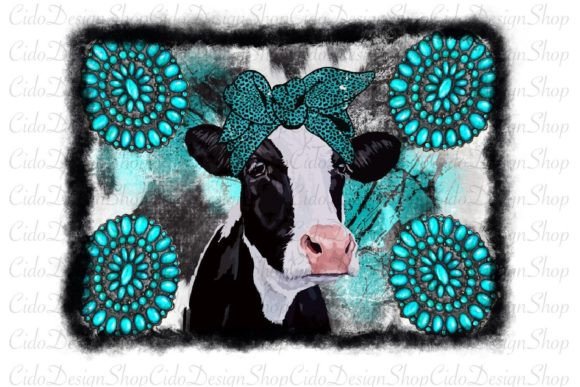
When you load Cow Background, Western Sublimation into your digitizing software or preview it on a mockup, the immediate takeaway is its thematic cohesion. The "Western" aspect suggests a rugged, rustic, or Americana vibe. This isn't a delicate floral motif; it’s bold. For designers targeting niches like country living, ranch life, or western fashion, this design hits the right emotional notes instantly.
The visual personality feels grounded. It has a weight to it that works well on heavier fabrics. However, because it is provided as a PNG – Transparent Background with high resolution (300dpi), it serves primarily as a visual guide or a sublimation print base rather than a direct stitch path. This distinction is vital. If you are using this as a reference for an applique design or planning to convert the shapes into satin stitch outlines, you need to be aware that the file itself is a finished graphic, not a vector traceable outline. The clarity of the lines in the 300dpi PNG allows for precise tracing if you are creating a custom embroidery file from scratch, but it requires manual intervention to become stitch data.
Real-World Application: Where This Design Shines
In my experience, the best designs are those that fit seamlessly into a lifestyle. Cow Background, Western Sublimation naturally belongs in projects that celebrate craftsmanship and rural aesthetics. Here is where I see this design performing exceptionally well in real-life scenarios:
- Custom Apparel and Sweatshirts: Imagine a heavyweight cotton sweatshirt in oatmeal or navy. Placing a large, detailed cow graphic on the back or across the chest creates a statement piece. The transparent background ensures no awkward white boxes appear around the edges when printed or used as a print-ready template for sublimation blanks.
- Tote Bag Design: Canvas totes are a staple for the craft business. A western-themed cow graphic adds character to a simple tote, making it perfect for farmers' markets, grocery runs, or as a boutique branding item. The durability of the canvas complements the rugged theme of the design.
- Baby Embroidery and Nursery Decor: Don’t overlook the nursery market. A softer interpretation of this graphic—perhaps reduced in scale and paired with pastel threads—can work beautifully for baby blankets or crib bumpers. It offers a gender-neutral option that stands out from typical stars and moons motifs.
- Holiday Embroidery and Gifts: This design fits perfectly into seasonal marketing. Think holiday gifts for family members who love animals or western culture. It makes for a thoughtful personalized gift when combined with custom monograms.
- Embroidered Patches: If you are converting this graphic into a patch design, the strong lines of the cow silhouette work well for fill stitch areas. Patches add a professional, utilitarian touch to denim jackets or beanies.
Practical Considerations for Stitching and Production
Transitioning from a digital graphic to a physical finished product involves several technical hurdles. Since this is a digital embroidery file concept based on a PNG, you must consider how the design translates to thread.
Fabric Texture and Stability
The success of any embroidery project relies heavily on the fabric choice. For Cow Background, Western Sublimation, avoid thin, stretchy fabrics unless you use heavy-duty stabilizer. The design likely contains substantial visual weight, which requires a stable foundation to prevent puckering. Woven cottons, denims, and canvas are ideal. If you attempt this on a stretchy jersey knit without proper support, the stitch density may distort the garment, leading to a poor-quality handmade product.
Thread Colors and Contrast
Because the PNG is transparent, you have freedom in how you present it, but you must plan your thread colors carefully. If you are using this as a base for sublimation printing onto fabric before embroidering details, ensure the ink saturation is high. If you are digitizing it, choose thread colors that pop against your fabric. Dark fabrics require light, metallic, or bright threads to maintain visibility, while light fabrics allow for more subtle, tonal shading.
Hoop Size and Detail Level
Always check the hoop size relative to the design dimensions. Large graphics can exceed standard hoop sizes, requiring multi-hooping techniques which increase production time and risk alignment errors. Inspect small details in the cow illustration; if they are too fine, they may get lost in the stitching process, especially if you are using a lower thread count or a textured fabric that hides fine lines.
Where to Use Caution
Not every surface is suitable for this design. Be cautious when applying Cow Background, Western Sublimation to:
- Curved Surfaces: While caps and hats are popular, large flat graphics can distort on curved brims or crowns. Ensure the design is adapted for curvature if used on headwear.
- Small Hoop Sizes: Trying to cram a complex background graphic into a tiny 4x4 inch hoop often results in cluttered, muddy stitching. Let the design breathe by using larger hoops.
- Dense Stitch Areas: If the design includes large solid blocks of color, watch out for excessive stitch density. Too many stitches can make the fabric stiff and uncomfortable, particularly on clothing items worn against the skin.
- Frequent Washing: For items like aprons or kitchen towels that undergo frequent washing, ensure the embroidery is secure and the colors are colorfast. Sublimated backgrounds should be tested for bleed resistance.
Designer Notes for Commercial Success
For Etsy sellers and commercial embroidery professionals, presentation is key. Use printable mockups to show customers how Cow Background, Western Sublimation looks on actual garments. This builds trust and helps buyers visualize the embroidery project in their own lives.
Before listing this as a design asset or selling finished goods, confirm the licensing terms. Just because you purchased the PNG does not automatically grant commercial rights for mass-produced embroidered items. Always verify if you can sell the final stitched product. Additionally, test the design on scrap fabric first. Check the stabilizer type needed—cut-away for stretchy fabrics, tear-away for wovens—and run a sample to inspect the running stitch accuracy and overall aesthetic.
Ultimately, Cow Background, Western Sublimation is a versatile tool for the creative entrepreneur. It brings a distinct western flair to your portfolio, whether you are creating custom apparel, print templates, or unique gift items. By respecting its technical requirements and choosing the right fabrics and threads, you can transform this graphic into a high-quality, marketable finished product that resonates with your audience.