Western, Western Sublimation: A Designer’s Real-World Review
When I sit down to evaluate a new machine embroidery design, my first question is always practical: does this actually work on the hoop? Too many digital assets look stunning in a flat preview but fall apart when the needle hits the fabric. That was my mindset when I pulled up Western, Western Sublimation. As a designer who frequently bridges the gap between digital graphics and tangible handmade product creation, I needed to see if this file could survive the transition from screen to stitch without losing its soul.
The product listing identifies this as a Print Template delivered as a high-resolution PNG with a transparent background. It is explicitly noted that this is not a SVG file, which immediately sets expectations for how we handle it. For an embroidery workflow, receiving a finished 300dpi PNG means we are looking at a rasterized visual guide or a direct print-to-transfer asset rather than a vector-based stitch path. This distinction is crucial for any Etsy seller or small shop owner trying to determine if they can use this directly in their digitizing software or if it serves as a reference for a sublimation-printed patch application.
First Impressions: Mood and Visual Personality
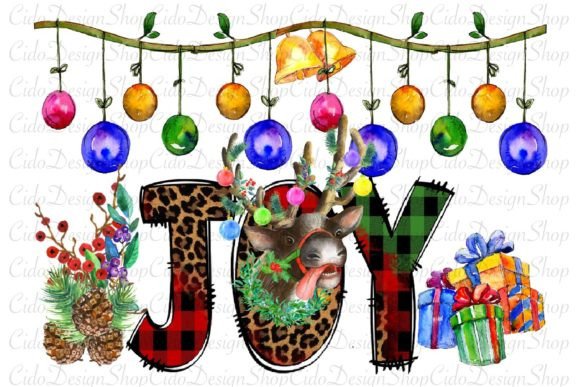
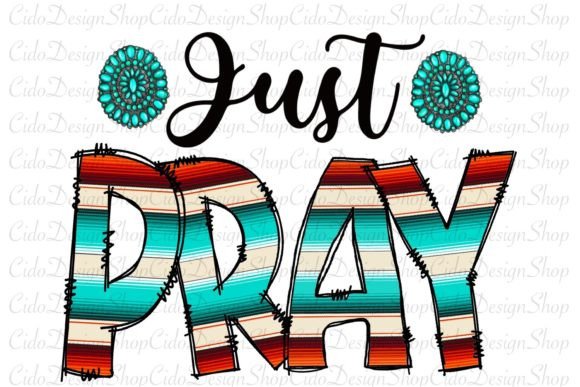
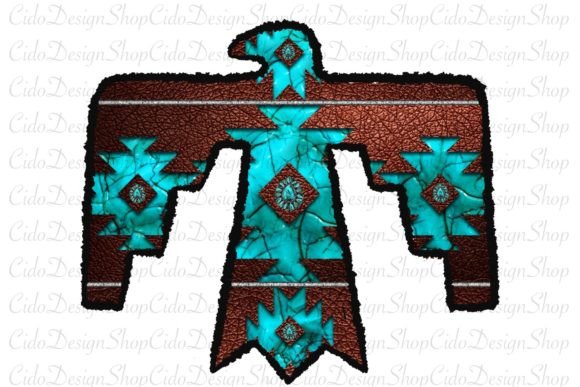
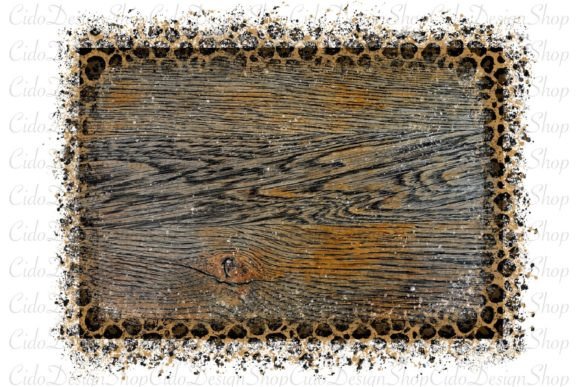
The name Western, Western Sublimation suggests a specific aesthetic—likely leaning into rustic, bohemian, or vintage Americana themes. From a design perspective, the "sublimation" aspect of the title hints at vibrant color blending and gradient effects that are often difficult to replicate with traditional thread alone. When I opened the file, the visual personality felt bold and graphic. The layout appears designed to hold attention quickly, which is exactly what you want for custom apparel or craft fair products where customers make snap decisions.
For a creative entrepreneur, the immediate appeal lies in its versatility. The transparent background allows me to drop this design onto mockups of denim jackets, canvas totes, or cream-colored aprons without worrying about clipping paths. However, because it is a PNG and not a vector, I have to be mindful of scaling. If I were to use this as a direct guide for stitching, the pixel edges might translate into jagged lines if not carefully traced over in digitizing software. But if used as a base for a sublimated patch—a growing trend in the embroidery project community—this file shines.
Real-World Application: The Custom Tote Scenario
To test the true value of Western, Western Sublimation, I imagined a real-life scenario: preparing a batch of custom embroidered tote bags for a holiday market. These aren’t just plain cotton bags; they are boutique items meant to convey a sense of style and craftsmanship. I wanted to incorporate a western theme that felt modern, not cliché.
I placed the PNG onto a mockup of a heavy-duty canvas tote. The contrast against the natural canvas was striking. Because the file is 300dpi, the details remained sharp even when enlarged to fit a standard 5x7 inch hoop area. In this context, I decided to treat the design not as a direct stitch pattern, but as a template for a hybrid approach. I printed the design on transfer paper, adhered it to the bag, and then stitched around the perimeter using a thick satin stitch to secure it, adding texture with a fill stitch background. This method leverages the intricate detail of the PNG while ensuring durability.
Alternatively, for personalized gifts like baby onesies or nursery decor, this design could serve as the visual anchor. Parents love personalized items with strong thematic elements. The western motif works beautifully for gender-neutral nurseries or rustic-themed birthday parties. By using this as a reference, I could digitize a simplified version that uses fewer colors, making it faster to produce for high-volume orders.
Performance Across Different Fabrics and Products
The success of Western, Western Sublimation depends heavily on the substrate. Here is how it performs in various common commercial embroidery scenarios:
- Sweatshirt Embroidery: On fleece or French terry, the design pops. The softness of the fabric contrasts well with the structured look of the western theme. However, ensure you use a cut-away stabilizer to prevent the fabric from puckering under the weight of the design.
- Caps and Hats: Curved surfaces pose a challenge. While the PNG looks great on a flat screen, applying it to a baseball cap requires careful hooping. The design’s width must fit within the curvature of the front panel without distortion. I recommend testing the placement on a spare cap before committing to the final piece.
- Kitchen Towels and Aprons: This is a sweet spot for this design. The crisp lines of a western motif look professional on linen or cotton blends. For holiday embroidery projects, such as Christmas stockings or kitchen towels, this adds a cozy, farmhouse feel that buyers love.
- Baby Embroidery: When scaled down for baby clothes, the details must remain clear. Since this is a PNG, zooming in too much might reveal pixelation if not handled correctly during the tracing phase. Keep the final stitched size reasonable to maintain clarity.
Where to Exercise Caution
No design is perfect for every situation. There are specific areas where Western, Western Sublimation requires careful handling to avoid a disappointing finished product.
First, avoid using this design on highly textured fabrics like bouclé or heavy wools. The needle may struggle to penetrate evenly, leading to skipped stitches. Second, be cautious with small hoop sizes. If the design contains fine details or tiny lettering, shrinking it down below 3 inches can cause those elements to merge into an unreadable blob. Always inspect small details closely.
Additionally, consider the thread colors. Since this is a PNG, you are not bound by the original file’s colors, but you should choose threads that complement the western theme. Earth tones, deep reds, and navy blues will likely enhance the mood better than neon colors, which might clash with the rustic aesthetic. Also, remember that dark fabrics require an underlay or a white backing to prevent the design from looking muddy.
Practical Designer Notes for Implementation
Before rushing into production, here are my essential tips for working with this file:
- Test on Scrap Fabric: Never trust a mockup blindly. Stitch the design (or your traced version) on the actual fabric you plan to use. Check for tension issues and thread breaks.
- Review Stitch Density: If you are digitizing this from the PNG, pay close attention to the stitch density. Western designs often feature large solid areas. Ensure your fill stitches are dense enough to cover the fabric but not so dense that the material becomes stiff and uncomfortable.
- Check Licensing: As a digital product seller or craft business owner, verify the commercial use rights. Even though you are buying the file, ensure you are allowed to sell finished items made with it. This protects your brand consistency and legal standing.
- Use Proper Stabilizer: The type of stabilizer matters. For stretchy fabrics like jersey, use a tear-away or wash-away stabilizer to maintain flexibility. For woven fabrics like denim, a cut-away provides lasting support.
- Black and White Mockups: Convert the design to grayscale to check contrast. If the design loses impact in black and white, it may lack the necessary depth for embroidery, regardless of color choices.
Final Verdict
Western, Western Sublimation is a versatile asset that offers significant potential for apparel decorators and makers. Its strength lies in its clear, bold visual identity and the flexibility provided by the transparent PNG format. Whether you are creating a one-off personalized gift or a line of small shop products for online sale, this design provides a strong foundation.
It is not a magic bullet that requires zero effort, but rather a high-quality starting point that rewards careful execution. By treating it with the respect due to a professional design asset—testing, adjusting, and refining—you can create a handmade product that stands out in a crowded marketplace. For anyone looking to add a touch of western charm to their embroidery repertoire, this file is a worthy addition.